Ask a Preventive Dentist: 5 Common Questions
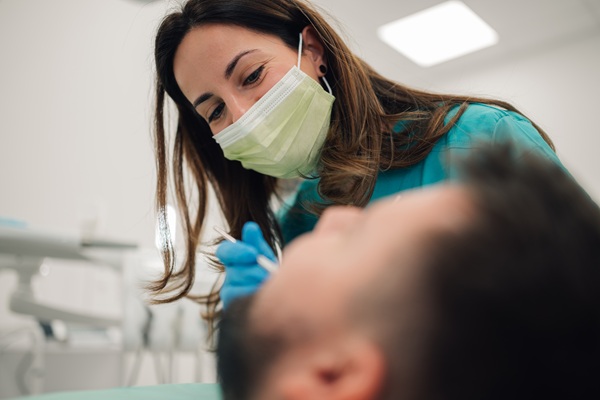
A preventive dentist focuses on stopping problems before they start. By pairing routine checkups with good daily habits, patients protect enamel, gums, and long-term oral function. Seeing a preventive dentist helps catch early signs of decay or gum inflammation, guide at-home care, and plan simple treatments that preserve natural tooth structure. Preventive care also supports overall wellness by reducing inflammation in the mouth, which can affect the body. Families benefit from consistent visits because the dental team tracks changes over time and adjusts guidance for each stage of life.
Five common questions
Patients often ask similar questions during routine visits. The answers below offer practical direction and a helpful starting point.
1. How often should someone visit?
Most people benefit from cleanings and exams every six months. Those with a history of gum disease, dry mouth, or frequent cavities may need visits every three to four months to control their risk.
2. What happens during a checkup?
The team reviews medical history, evaluates the gums and teeth, and may take digital X-rays to visualize areas not visible to the naked eye. A hygienist removes plaque and tartar, then polishes teeth for a smooth finish.
3. Which everyday habits matter most?
Brush twice daily with fluoride toothpaste, floss once a day, and rinse with a fluoride or alcohol-free antimicrobial mouthwash if recommended. Choose water often, limit sugary snacks, and avoid tobacco.
4. Do sealants and fluoride help adults?
Yes. Sealants protect deep grooves on molars, and topical fluoride strengthens enamel in both teens and adults with elevated risk for decay. A dentist recommends these based on a patient's dental history and diet.
5. How can someone reduce sensitivity?
Use a soft-bristled brush, gentle pressure, and a desensitizing toothpaste. A dentist can identify causes such as recession, clenching, or enamel wear, then suggest options like varnish, night guards, or bonding.
These answers provide general guidance; an in-person exam allows tailored recommendations that fit individual needs.
Care between visits
Daily hygiene promotes the prevention of various oral health issues. Brushing technique matters—small, circular motions along the gumline remove plaque without damaging tissue. Flossing cleans where bristles cannot reach, reducing the chance of cavities between teeth. A balanced diet supports oral health: crisp vegetables help disrupt plaque, dairy provides calcium and phosphorus, and water dilutes acids.
For athletes and nighttime clenchers, custom mouthguards and night guards protect enamel from chips and wear. Parents can model routines, so children learn skills early, and caregivers can ask a preventive dentist for age-specific tips that keep the whole household on track. Consistent home care, paired with professional maintenance, builds a durable foundation for a healthy smile.
Schedule your visit
Strong oral health grows from small daily habits and timely office visits. With routine exams, cleanings, and guidance from a preventive dentist, patients can lower cavity risk, calm sensitivity, and support overall wellness. Partnering with a preventive dentist empowers families to make confident choices that protect smiles at every age. For more information or to schedule an appointment, call our office.
To schedule a consultation, please request an appointment on our website at http://www.jaredsmithdmd.com or call Jared M. Smith DMD at (719) 298-4214 to arrange an appointment at our Canon City office.
Check out what others are saying about our dental services on Yelp: Preventive Dentist in Canon City, CO.
Related Posts
Preventive dentistry goes beyond undergoing dental checkups and cleanings twice a year. Read on to learn how preventive dentistry can protect against various oral health issues. You ensure a lifetime of good oral health and ultimately your general health if you keep those regular checkups. Preventive dental care checkups help you stay proactive in many…
Some people may not realize how improper oral care can have a negative impact on their overall health. Untreated tooth decay does not heal without treatment and usually worsens over time. When those with multiple cavities ignore their dental needs, they may be putting themselves at risk for a variety of other medical problems, some…
Dentists have long recognized an oral health connection to overall health. The body’s systems are interrelated and affect one another. Long-term dental problems impact the immune system and other metabolic functions. It is the view of the American Dental Association that infections often enter the body through the mouth.A long-term infection in the gum taxes…
An in-office professional dental cleaning is a crucial aspect of maintaining good oral health. While oral hygiene done at home is a great way to keep the teeth and gums healthy, it is important to see a general dentist on a regular basis for cleanings and examinations. Dental cleanings are simple, easy, and relatively painless,…